
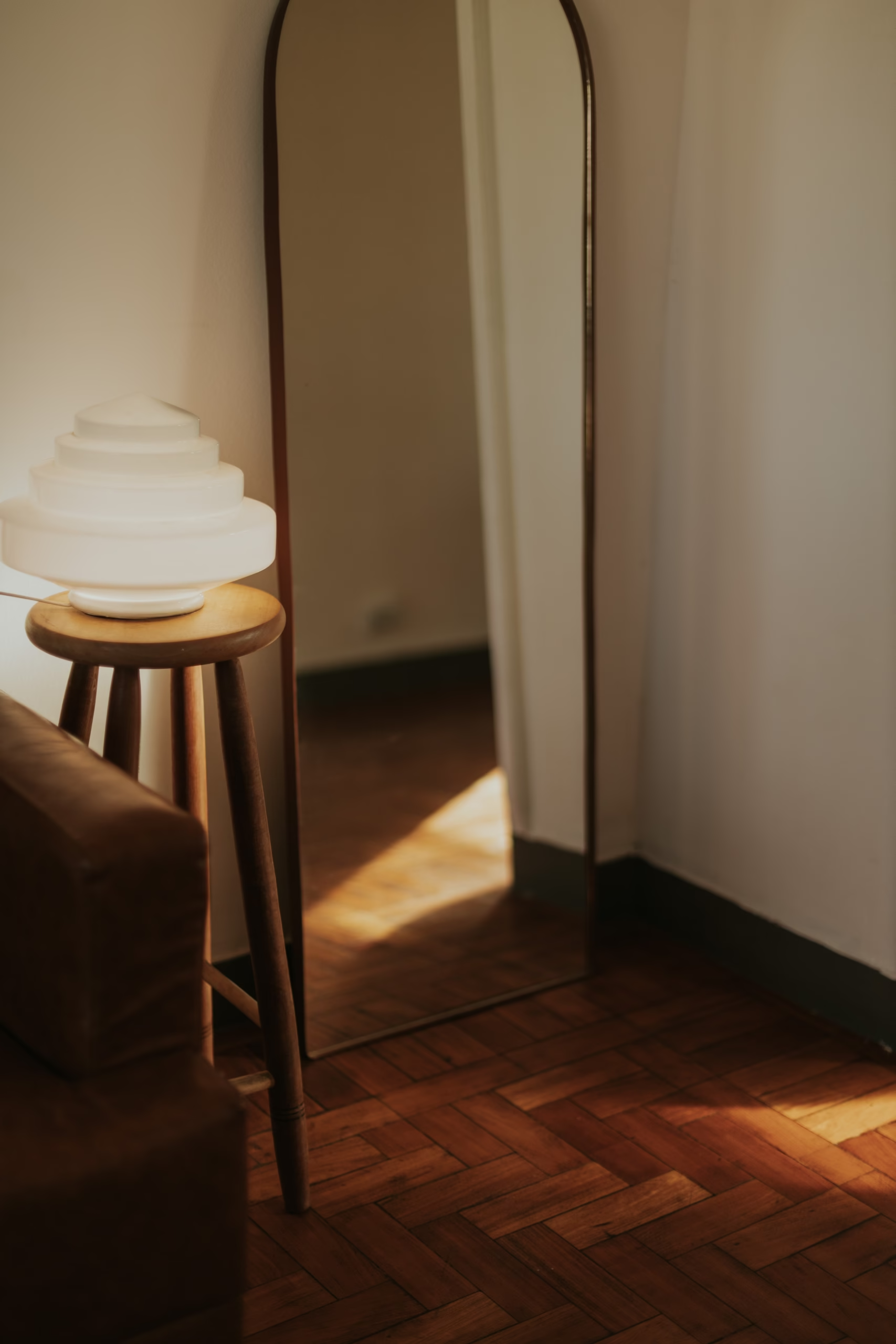
Cold, sterile rooms often make minimalism feel unlivable. You crave calm and order, yet you also want a space that feels inviting rather than clinical. Warm minimalism solves that problem. It keeps the clarity of minimal design but adds texture, tone, and comfort so a room feels lived in, not emptied out.
This guide explains what warm minimalism is, why it works, and how to apply it room by room. You will find practical steps, material choices, and common mistakes to avoid, all grounded in established interior design principles.
What Warm Minimalism Actually Means

Warm minimalism is a design approach that pairs reduced clutter with soft, natural materials and a restrained but rich color palette. It borrows minimalism’s discipline (few objects, clean lines, open space) and rejects its coldness (stark white walls, hard surfaces, zero personality).
Think of it as minimalism with a pulse. The goal is not emptiness for its own sake. The goal is a calm environment where every object earns its place and the materials themselves provide visual interest.
Designers often trace this idea to Scandinavian and Japanese influences. Scandinavian design contributes light woods, functional forms, and a focus on hygge, the Danish concept of cozy contentment. Japanese design contributes negative space, natural materials, and wabi-sabi, the acceptance of imperfection. Blending these traditions produces rooms that feel both orderly and gentle.
Why Warm Minimalism Works

A sparse room can feel stressful when it echoes, looks unfinished, or offers nothing comfortable to touch or see. Warm minimalism fixes that by layering sensory detail onto a simple structure.
Three principles drive the effect:
-
Texture replaces ornament. Instead of adding pattern and knickknacks, you add interest through materials: boucle, linen, raw wood, stone, wool.
-
Warmth comes from color temperature. Off-whites, creams, taupes, warm grays, and earth tones feel softer than cool grays and stark whites.
-
Comfort must be functional. A chair should invite sitting, not just fill a corner. Minimalism fails when it prioritizes looks over use.
When these principles work together, a room feels restful. Your eye relaxes because there is less to process, yet your body relaxes because the surfaces and colors feel welcoming.
Start With a Warm Neutral Palette

Color sets the emotional temperature of a room. Cool whites and grays can read as sharp or institutional under certain lighting. Warm neutrals soften the same clean aesthetic.
A reliable warm minimal palette includes:
-
Base tones: cream, ivory, oatmeal, warm white
-
Mid tones: sand, taupe, mushroom, greige, warm gray
-
Accents: terracotta, camel, olive, muted rust, soft brown
Limit yourself to three or four tones per room. Too many competing neutrals create muddiness rather than calm. Repeat tones across walls, upholstery, and textiles so the room feels intentional.
Pay attention to undertones. A warm white wall paired with a cool gray sofa can make both look off. Test paint samples on your walls and view them at different times of day, because natural and artificial light shift how a color reads.
Layer Texture Instead of Stuff

In warm minimalism, texture does the decorative work that pattern and objects do in traditional interiors. This is the single most important technique for avoiding a cold result.
Useful textures to combine:
-
Chunky wool throws and ribbed cushions
-
Linen curtains and slipcovers
-
Boucle or shearling seating
-
Raw or oiled wood with visible grain
-
Matte ceramic, travertine, and unpolished stone
-
Jute or wool rugs with a low, flat weave
Mix at least three textures in each room, varying scale. A smooth leather ottoman next to a nubby wool rug and a rough plaster wall creates depth without adding a single ornament.
Avoid pairing too many shiny surfaces. Glossy finishes reflect light and can feel cool or hard. Matte finishes absorb light and read as softer. Balance one reflective accent, such as a glass table or metal lamp, against several matte surfaces.
Choose Natural and Honest Materials

Warm minimalism favors materials that age well and show their origins. Solid oak, walnut, ash, travertine, limestone, clay, wool, cotton, and linen all fit. Engineered wood and quality veneers remain practical options, especially for budget-conscious projects, as long as the finish looks natural rather than plastic.
Key guidance:
-
Prioritize solid wood for visible pieces such as dining tables and open shelving.
-
Use stone or stone-look surfaces for coffee tables and countertops where durability matters.
-
Select fabrics by touch. If a textile feels scratchy or synthetic, it will undermine the comfort you want.
-
Let materials patina. Leather darkens, wood warms, and linen softens. Warm minimalism accepts this natural aging.
Designer Dieter Rams, whose ten principles of good design shaped modern minimalist thinking, argued that good design is long-lasting, unobtrusive, and honest. Warm minimalism applies that logic while adding the comfort Rams’ industrial aesthetic sometimes lacked.
Control Clutter Without Emptying the Room

Minimalism does not mean zero possessions. It means intentional possessions. The practical test: does an object serve a function, bring you genuine joy, or add meaningful texture and color?
Use these habits:
-
Give every item a home. Baskets, closed cabinets, and built-in storage hide daily clutter while keeping surfaces clear.
-
Limit surface decor. Choose one or two meaningful pieces per surface rather than a collection of small objects.
-
Edit seasonally. Rotate throws, cushions, and decorative items instead of displaying everything at once.
-
Choose fewer, better pieces. One well-made ceramic vase outperforms five generic ones.
Open shelving deserves caution. It looks minimalist in photographs but demands constant tidiness. If you use it, style shelves with a mix of books, ceramics, and one natural element such as a plant or dried branches, spaced with visible gaps.
Make Lighting Warm and Layered

Lighting makes or breaks warm minimalism. A single overhead light flattens a room and often casts cool, harsh light. Layer your lighting instead.
Aim for three sources per room:
-
Ambient light from ceiling fixtures or indirect sources
-
Task light from floor lamps, desk lamps, or reading lights
-
Accent light from wall sconces, picture lights, or small table lamps
Choose bulbs in the 2700K to 3000K range for a warm glow. Cooler 4000K and above bulbs suit offices but feel clinical at home. Add dimmers wherever possible so you can shift the mood from bright and functional to soft and restful in the evening.
Natural light matters too. Keep window treatments light and simple, and avoid blocking windows with tall furniture. Sheer linen curtains diffuse daylight beautifully while preserving privacy.
Apply Warm Minimalism Room by Room

Different rooms need different balances of warmth and restraint.
Living room. Anchor the space with one substantial sofa in a textured neutral fabric. Add a solid wood or stone coffee table, a flat-weave rug, and two or three cushions in varied textures. Keep walls mostly bare, with one large artwork or a single mirror rather than a gallery wall.
Bedroom. Choose a simple upholstered or wooden bed frame. Layer white or oatmeal linen bedding with a wool throw. Use bedside tables with closed drawers to hide clutter. Keep lighting low and warm, and avoid screens on nightstands.
Kitchen. Favor matte cabinetry in warm white, sage, or sand. Use wood or stone countertops and open storage for everyday items only. A single bowl of fruit or a ceramic vase on the counter provides enough decoration.
Bathroom. Use warm tiles, wood accents, and rolled towels in a basket. Matte fixtures in brushed brass, bronze, or warm nickel feel softer than polished chrome.
Mistakes That Make Warm Minimalism Feel Cold

Even well-intentioned rooms fail for predictable reasons. Watch for these:
-
All-white everything. Without texture and warm undertones, white reads as sterile.
-
Too few textures. Smooth surfaces everywhere create an echo chamber effect.
-
Ignoring scale. A tiny rug or undersized art leaves a room feeling unfinished, not minimal.
-
Over-editing comfort. Removing rugs, cushions, and soft lighting makes a room hard to use.
-
Buying matching sets. Identical furniture sets look showroom-like. Mix pieces for a natural feel.
A Practical Starting Plan

You do not need to renovate to adopt warm minimalism. Start with what you own.
First, clear surfaces and remove anything you do not use or love. Second, identify your existing warm neutrals and repeat them. Third, add texture through textiles: a wool throw, linen curtains, a jute rug. Fourth, swap cool bulbs for warm ones and add a second light source. Fifth, choose one natural material accent, such as a wooden bowl or stone tray, to replace several small decorations.
Work through one room at a time. Warm minimalism rewards patience; a gradual edit produces a more personal result than a single shopping spree.
Final Thoughts
Warm minimalism gives you the calm of a minimalist home without the chill. Build a restrained palette of warm neutrals, layer natural textures generously, choose honest materials, control clutter with intention, and light every room in soft, layered warmth. Do these things and your space will feel both quiet and comfortable, which is exactly the point.

The Desynos editorial team is dedicated to producing well-researched, practical, and trustworthy content on interior design and home décor. Our coverage spans interior design styles, room layouts, color theory, furniture selection, lighting, space planning, small-space solutions, decorating techniques, and evolving design trends.
Each article is developed through careful research, comparison of reliable sources, and editorial review, with a focus on accuracy, practical application, and original insight. Where appropriate, we draw on established design principles and insights from qualified interior designers, architects, and other relevant professionals.
Our goal is to provide readers with clear, useful guidance they can confidently apply to their own spaces. Rather than following trends for their own sake, Desynos focuses on thoughtful design choices that balance aesthetics, functionality, comfort, and individuality.