
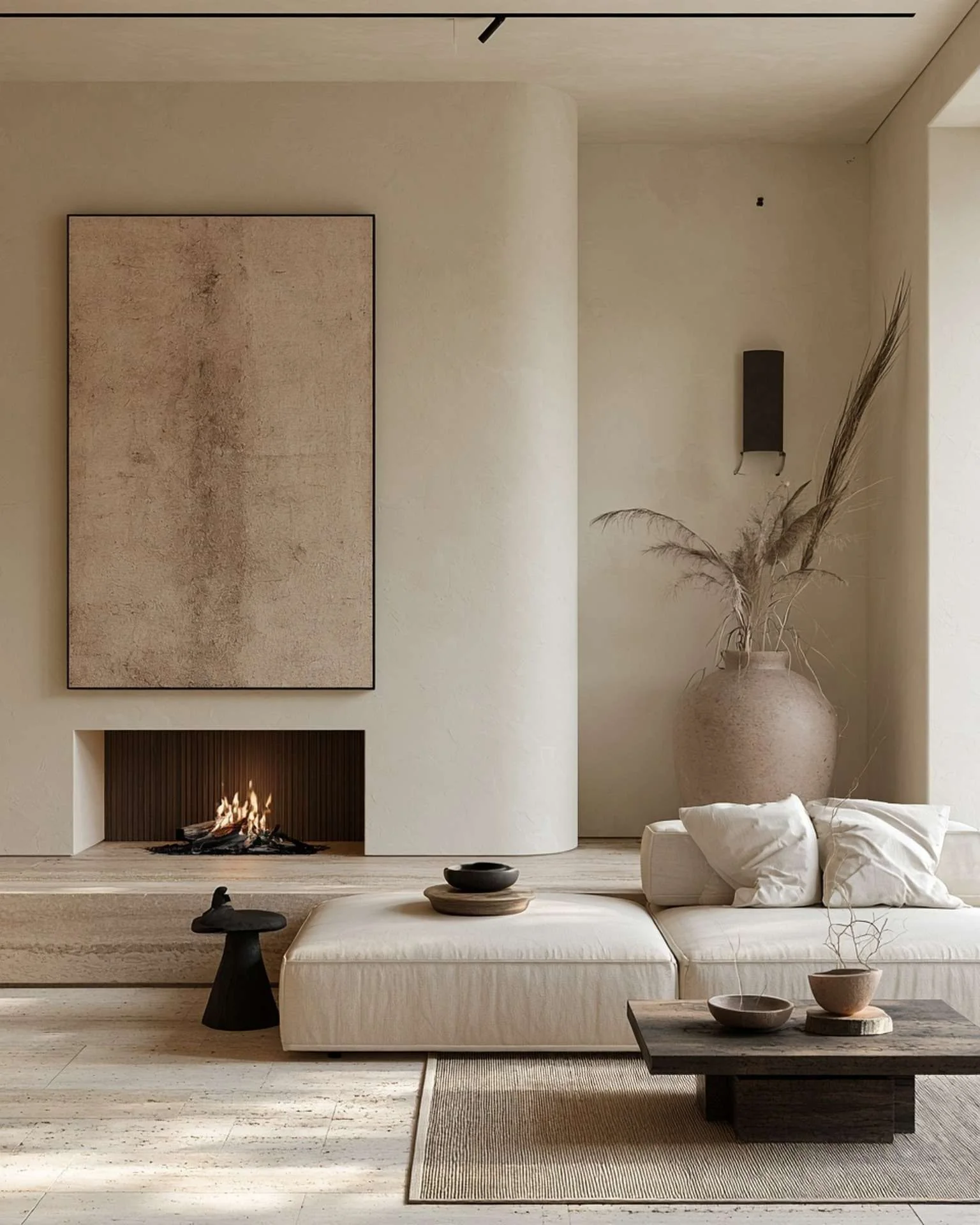
Introduction to Room Layout Ideas
Decorating any room may seem easy and a pretty straightforward task, but putting it together is another matter. Sometimes the bed will feel too near the wall, the couch is in the way, and there’s still too much space. That’s where good room layout ideas come in.
A good room layout doesn’t always mean filling up the room with items and materials. It’s about creating an organic, functional, and appealing space. No matter the room size or shape, furniture placement can make all the difference. It’s about making the room feel natural, easy to move around and cozy to live in.
Rather than trial and error, there are some basic rules to follow. When the furniture is arranged correctly, it’s easy to add accessories, decorative elements and styling to complete the look.
The Importance of Room Layout

Function Should Always Come Before Style
Each room inside your home has a functionality of its own. Your bedroom should feel relaxing, your living room feel welcoming, and your workspace should help you stay focused on your work. Without the right layout, even the prettiest room will fall short.
If furniture is not placed intentionally, it can feel uncomfortable, even though you can’t put your finger on why. With a good layout, it can all feel effortless.
How Room Layouts Affect Daily Life
Room layout impacts how you walk, sit, lie down, and talk. Bad layouts can frustrate us. Good layouts are unnoticed.
Even something as basic as keeping space open for walkways or ensuring furniture is a certain distance apart will enhance the room’s everyday use.
Start With a Focal Point

What Is a Focal Point In Interior Design?
A focal point is the primary element in a room that stands out. This can be the bed, the television, a window or even a feature wall. Without a focal point, it can be hard to find a sense of unity. A focal point establishes balance and helps to set the room’s tone.
How to Work with It
Once you’ve found the focal point, place the main furniture around it. This provides direction and balance.
In a bedroom, the bed will often be the focal point. In the living room, it could be the TV or a window. The rest of the furniture should complement the focal point.
Room Layout Ideas for Small Spaces

Make the Room Feel Bigger
Small rooms need careful planning. We want it to feel less cramped but not less usable. Rather than furniture being pushed to the walls, pull it away. This adds dimension and makes the space more purposeful. Making a room feel bigger also involves utilizing light and color to trick the human eye and mind into perceiving more space. The most effective methods include- Utilizing natural light, using light and monochromatic colors, mirrors and low furniture are the most effective techniques. Placing a big mirror opposite of a window or a lamp instantly double the light and kind of creates an illusion of an extra window.
Use Multi-Functional Furniture
Multi-functional furniture is an excellent way to maximize space in a small room. Rather than more furniture, look for multi-purpose items. For example, a storage bed can take the place of a wardrobe and more storage, and a desk that folds up can be used as a workspace when needed and folded away when not in use.
The goal is to look for versatility. Search for furniture that can transform according to the needs of the moment. A storage bench, for instance, can be used as a seat, storage and a table.
Another little-known tip is to use vertical multi-functional furniture, such as wall-mounted shelves with hooks or fold-down tables. These free up floor space, making the room appear larger. With everything in its place, it’s neat, not crowded.
Keep Pathways Clear
Movement matters. There should be sufficient space to walk even in small areas. Don’t block the flow of traffic. The very first step for maintaining clear pathways in a small room is to consider your natural movement patterns. Think about where you go most frequently, such as from the door to the bed, desk or window, and keep these spaces clear. Don’t push furniture into every nook and cranny.
A much helpful tip is to position larger pieces of furniture on one side. This helps to open up a main pathway rather than several narrow ones. Don’t put things like chairs or side tables in the way, even though they may be small.
You can also use furniture with narrow profiles or raised legs to visually open up space in a pathway. If the room flows well, it will seem larger and more comfortable.
Avoid Overcrowding
To prevent a small room from becoming too crowded, it’s not about taking everything out, it’s about being selective. The first rule is “one room, one function”. If a space is used for multiple activities, it’s easy for it to become overcrowded. One way to do this is to practice the “one in, one out” rule. For every new item, get rid of an older one that you don’t use anymore. This helps prevent the room from becoming cluttered again.
Think about the eye. Even in a room with few items, large furniture can make the room feel crowded. Opt for lighter styles or items with storage space underneath for a less cluttered feel.
And when you only have what you need, the room doesn’t feel cramped.
Ideas for Big Room Layouts

Divide the Space Into Zones
Dividing a large room into zones prevents it from feeling empty or disjointed. First, determine the functions of the areas, like sitting, working or relaxing. Each area should serve a specific function, while still blending with the rest of the space.
But don’t create physical barriers. For example, a rug can mark off a space for a seating area, and a desk positioned behind a couch can make a workspace. You can also direct attention using lighting, with various lamps illuminating different spaces.
It’s a good idea to use a similar paint color throughout the room. This provides unity, without compromising each individual space. With a little creativity, the space will be both open and defined.
Create Balance
When it comes to decorating a large room, balance is achieved by ensuring a room isn’t weighed down on one side. To achieve balance, place larger furniture first and then fill in with smaller pieces. If one side has a large couch, try placing two armchairs, a console table or bookshelf on the other side.
Balance doesn’t have to be symmetrical. You can use different shapes and sizes but they need to be of equal weight. For instance, a tall lamp can offset a large cabinet.
You can also use repetition, such as color or texture. This ties different spaces together and creates a sense of equilibrium. If the visuals are stable, the room will feel more restful and complete.
Use Rugs to Define Areas
Defining a space with rugs is an easy way to divide a large or open space without partitions. It’s not only about the size. The rug should be placed under the major pieces of furniture in that area. So in a sitting area, at least the front legs of the couch and chairs should be on the rug to “tie” them together.
You can also use texture or pattern in the rug to differentiate uses, such as a softer rug for a living space and a flatter one for a desk. This helps to visually signal the different functions while still maintaining continuity.
Living Room Layout Ideas

The Classic Sofa Setup
When placing a living room sofa, it’s important to select the right position. It needs to be positioned to promote comfort and circulation, typically facing a TV, window or fireplace. Don’t tuck it too close to the wall unless the room is very small; this can make the room seem unplanned.
Think about conversation as well. Don’t create a barrier, so be sure to include space for chairs or side tables. And ensure that the coffee table is close enough to the sofa to be usable.
Conversation-Focused Layout
Creating a layout for conversation puts the focus on people. Begin by setting up chairs so everyone can see one another, in a circle or square. It’s important to keep people close enough to hear, but not too close.
Rather than pin furniture to the walls, move it in to create an interior room. Having a coffee table or ottoman in the centre helps ground the layout and provides a focal point.
For example, it’s helpful to arrange chairs and sofas at a slight angle instead of in parallel rows. This adds a gentle, welcoming touch. Connected seating promotes conversation.
Lighting
Lighting of a living room should be layered, task, ambient and accent lighting so that it creates a warm, welcoming and an inviting atmosphere that feels both relaxing and welcoming. Use warm white LED bulbs (2700k- 3000k) for creating a cozy and inviting atmosphere. Dimmers are crucial in lighting. You can use dimmer switches to adjust and control light levels easily.
Shifting from productive bright daylight to more calm, soft and relaxing evening light. Use spotlighting to draw attention to an art piece, artwork, plants and shelves. Avoid using only overhead lighting since relying on one ceiling light can make the living room feel flat and boring. In order to reduce eye strain, place indirect lighting behind the living room TV. Use low-glare, soft lights to reduce contrast and eye fatigue.
Bedroom Layout Ideas

Position the Bed First
The bed is the focal point of the bedroom. The first thing to do is to position it against the most solid wall, preferably not directly opposite the door. It makes you feel safer and in control.
Aim for it to not be placed against two walls. This will create a more symmetrical and functional layout. Don’t put the bed in the corner unless the room is small.
Also think about natural lighting. Allowing the sun to shine in on the bed can make it feel cozier. Placing the bed in the right spot can create a peaceful and tidy space.
Keep It Simple
Bedrooms should be soothing. Don’t overcrowd with furniture or objects. Keeping it simple starts with limiting items. Instead of adding more decor and furniture, focus on fewer pieces that feel necessary. Only place furniture that serves a clear purpose. Avoid filling up empty spaces just to make the room seem “complete”. Using matching lamps or nightstands can help simplify the clutter.
Dining Room Layout Ideas

Center the Table
Placing a table in the center of a dining room is about more than just positioning it in the middle, it’s about creating balance and functionality. First, take the measurements of the room and leave the same amount of space around the table, preferably sufficient for chairs to be pulled out without bumping into other furniture or a wall.
Place the table underneath a ceiling light or fixture. If there is no light fixture, you can still balance it in the middle of the room, between walls or windows.
Think about traffic flow around the table. You want to avoid blocking traffic while ensuring the table is the room’s centrepiece.
Maintain Easy Movement
To maintain an easy flow in dining rooms, it’s important to consider not just the table, but also the space around it. Ensure there’s sufficient space behind the chairs to move them out from the table without bumping into walls or other furniture. This makes sitting and eating more comfortable and avoids having to readjust.
Consider pathways through the room. Keep walkways open, particularly around doorways or between the dining room and kitchen. Don’t clutter these pathways with cabinets, plants or decoration.
One detail to consider is chair size. Large chairs are bulky and block space. Opting for skinnier options helps. Easy movement means the dining room is more accessible and comfortable.
Home Office Layout Ideas

Choose the Right Spot
When setting up a workspace at home, it’s important to minimize distractions and ensure comfort during long work hours. The first thing is to choose a spot that feels more removed from where you relax or sleep, even if it is just a nook in a room. This will help your brain get into work mode.
Consider lighting. Rather than sitting directly in front of a window, position your desk off to the side to make the most of the natural light without squinting at your computer screen. This helps prevent eye strain.
Also take noise into account. An area is quiet in the morning and noisy in the afternoon. You can experiment to find a more consistent and productive location.
Keep It Functional
Keeping a home office functional means designing it around how you actually work, not how it looks. First, keep frequently used items within easy reach to avoid distractions and interruptions. You can store less-frequently used items out of the way.
Think about how you work. If you work on different tasks, designate mini-areas on your desk rather than cluttering everything. This helps the transition, and your productivity.
Wires are another overlooked detail. Wires can make the room look cluttered and unorganized. Organizing them makes the space look better.
The key to an efficient office is not having more, but rather having it in a way that it can be used without distraction.
Choosing the Right Furniture Size

When it comes to furniture, it’s not just about aesthetics but about function and fit. First, measure the room carefully, including doorways and hallways, to ensure nothing is too large or small for the space.
Rather than buying items separately, consider how they will fit together. For instance, a big couch looks good, but it can overwhelm a small room if paired with large tables. Size isn’t everything.
You can also think of versatility. Easy to move furniture or furniture with multiple uses can better accommodate changing needs.
And consider proportions and height. Smaller furniture can create the illusion of a higher ceiling, while higher furniture can add visual interest. The right furniture for your room and your life makes the space feel more comfortable.
Lighting and Its Role in Layout

While it might not seem obvious, but lighting has a big impact on the way we decorate a space. It not only provides illumination, but also affects furniture placement and function. A bright corner might become a reading nook and a dimly lit room can feel more inviting and private.
Rather than a single light source, it’s useful to think in terms of layers. This includes a mix of ambient, task and accent lighting to create texture and make the space feel well-planned. This helps create different moods throughout the day.
Light direction matters too. Higher placement or wall reflection can eliminate shadows and create a more open feel. With lighting complementing the layout, the room feels well balanced, inviting and is more intuitive to navigate.
Decorating After the Layout
When you decorate after arranging the room, it’s actually all about complementing the arrangement, not masking it. With furniture in the right spots, you can add items that create a personality without getting in the way. These could be personal items such as photographs, books or other collectables. They personalize the space and make it feel authentic.
Decorate the room in stages, rather than all at once. This allows you to focus on the room’s needs, rather than trying to fill the gaps. Consider repetition, like using the same color or material in multiple places, to help tie the room together.
One way to keep decorative elements from competing with each other is to arrange them at different heights. This avoids a flat look and adds visual interest. By complementing the room’s layout rather than dominating it, the space feels harmonious, unique, and simply beautiful.
Some Final Word on Room Layout Ideas
Ultimately, room layout ideas aren’t about rigid rules or mimicking an online inspiration. They’re about knowing how you’re using the room, and designing it to suit your needs. Good room layout ideas are about creating spaces that work seamlessly, so you can move around easily, find and access things instinctively, and feel at home without having to constantly rearrange things.
Whether the room is tiny or you have an open area, it all comes down to function. Decide what the room will be used for, find its centerpiece and consider how you’ll move around it. The rest, such as furniture, lighting and decoration, will simply follow.
It’s also important to keep in mind that room layouts are not fixed. As needs change, so will rooms, and tweaks can go a long way. A simple rearranging of furniture or opening up an area can make a big difference.
Remember, it’s not about perfection, but balance and function. If a room is functional for you, it will also be attractive and satisfying. That’s the key to a successful layout.

The Desynos editorial team is dedicated to producing well-researched, practical, and trustworthy content on interior design and home décor. Our coverage spans interior design styles, room layouts, color theory, furniture selection, lighting, space planning, small-space solutions, decorating techniques, and evolving design trends.
Each article is developed through careful research, comparison of reliable sources, and editorial review, with a focus on accuracy, practical application, and original insight. Where appropriate, we draw on established design principles and insights from qualified interior designers, architects, and other relevant professionals.
Our goal is to provide readers with clear, useful guidance they can confidently apply to their own spaces. Rather than following trends for their own sake, Desynos focuses on thoughtful design choices that balance aesthetics, functionality, comfort, and individuality.