
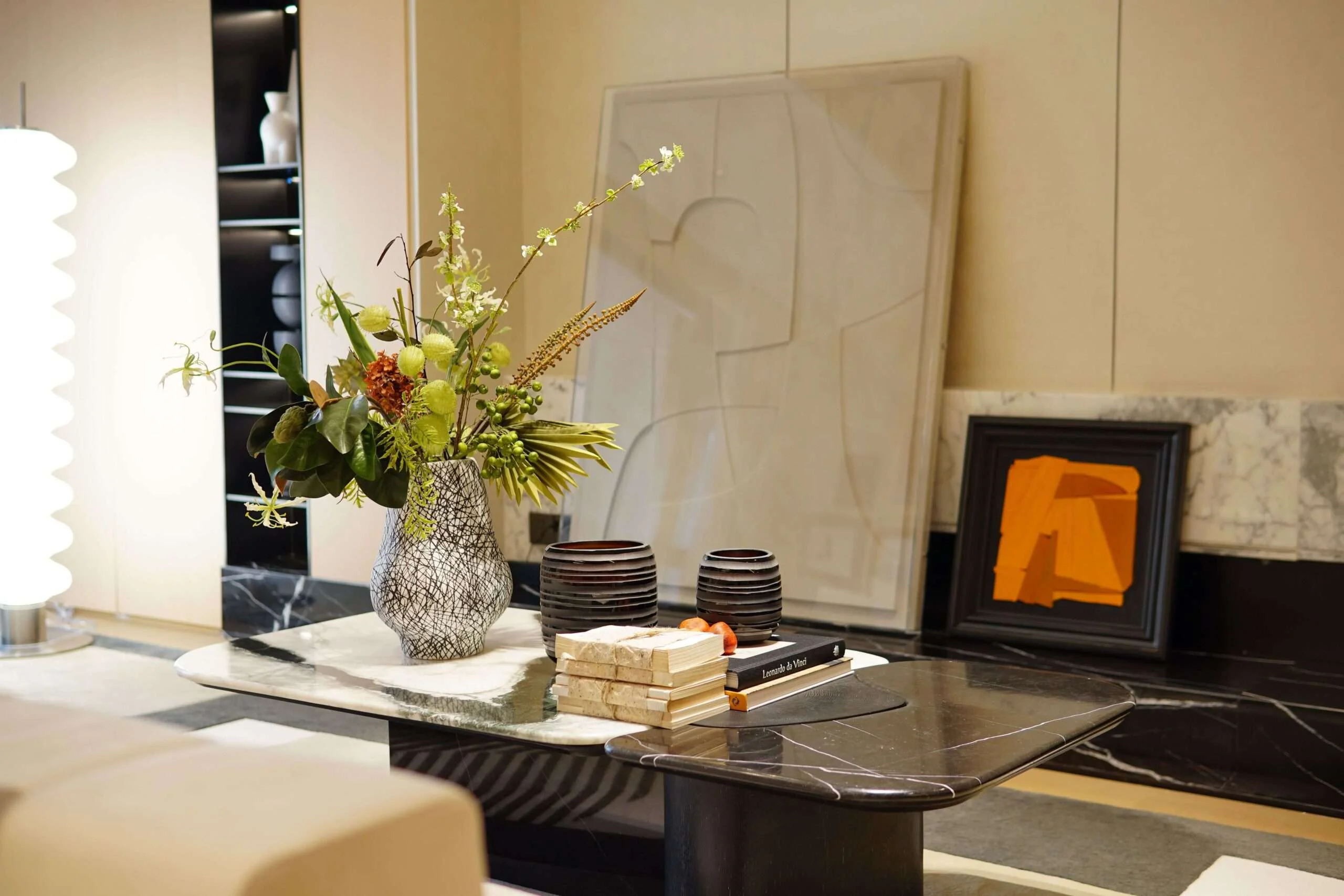
It may seem a little difficult at first to figure out how to make your room look aesthetic. Especially since most of the ideas on the internet are costly and seem unattainable. The reality is that you do not have to do a complete overhaul or even fancy upholstering the place to make it look relaxed, cool, and well-dressed. Aesthetic rooms are constructed on uncomplicated decisions, color balance, clustered designs, and even details that represent you.
Rather than imitating what you see on social media, pay attention to what you can make your space comfortable and attractive to look at. Even minor details, such as the light and similar color scheme, can help to transform the atmosphere of a room entirely. Even the most basic of setups may appear purposeful and beautiful when all of the components are used in harmony.
This guide will demonstrate how to make your room feel aesthetic with ideas that are simple to implement and do not rely on large budget. It is all about making a room that you will enjoy being in on a daily basis; be that a bedroom, a living or a study room. Once you know the fundamentals then it is a lot easier to transform any room into a nice room.
How to Make Your Bedroom Feel Cozy and Aesthetic

Start with a calm and consistent color base
The color balance in your bedroom is important because it contributes greatly to the overall tone of your space. When the colors are too loud or incompatible, the room can easily lose aesthetic value, regardless of the amount of decor you put on. In most cases, a plain and uniform color scheme is effective. Beige, white, soft grey or muted pastel shades make the space look peaceful and satisfying to the eye, without dominating the space.
To fix the color scheme, you do not have to repaint your walls. Rather look at such aspects as bedsheets, pillow covers, and curtains. Whenever these things are aligned or complementary, the whole room begins to feel more purposeful and organized. It is recommended to be in the same color family and not to mix too many bold colors unless you know how to combine them correctly. The preservation of simplicity tends to make a bedroom more aesthetical and relaxing in general.
Layer textures instead of adding random decor
In order to make a bedroom look and feel aesthetic it does not need additional decor, it enjoys the aspect of careful layering. Rather than incorporating random things, work on the combination of the textures to form the depth and comfort. Even a linen sheet that is a bit crinkled or soft blankets and textured cushions can help make the space feel lived-in, not staged or empty.
The aim is to maintain the same color range but alter the textures. This is a slight difference that creates aesthetical appeal but does not clutter the room. Layering when done properly gives your bedroom a comfortable, balanced and pleasing look and, best of all, keeps the look clean and simple and effortless.
Living Room

Focus on lighting before buying furniture
Most of us try to make our living room aesthetic by adding more furniture and artifacts, yet that normally does not help the general feel of the room. The role of lighting in creating the mood is much larger. If the lighting is too harsh and too bright- the room will look flat, cold and uninviting. No matter how you may decorate it.
The first solution is- use warm lighting for a more relaxed and comfortable environment. Use bulbs with a white color temperature of 2700k to 3000k. You can also use a dimmer to adjust the brightness to match the mood. A floor lamp can be placed in one corner or a small table lamp put next to your sofa in order to bring some warmth. Just one warm source of lighting can alter the room atmosphere entirely. It also makes the space appear more intimate, comfortable and balanced in terms of appearance without the need to introduce add-on furniture and clutter.
Keep negative space instead of filling every corner
If you want your living room to feel aesthetic, you have to leave some space for breathing. If the room is overcrowded with shelves, chairs, books and random decors with no meaning attached to it, it’s going to look pretentious. Rather than putting in more stuff, step back and take away an item or two that do not have a definite purpose.
When your room is cluttered, it is better to begin with clearing off such surfaces as coffee tables, side tables, or TV units. Only by using or liking something actually, keep it. This immediately gives a sleeker and more organized appearance. The negative space contributes to leading the eye and makes the significant things come out naturally. It is also easier to clean and less stressful to the eye. There is no waste of empty space, rather, it is an important element of making your living room feel purposeful, practical and simply beautiful without making it too pretty.
Drawing Room

Use statement pieces, not too many decorations
The first area that the guests see is your drawing room and therefore it should be considerate and well organized. Rather than crowding the room with a lot of small decorative elements, then choose one or two of the strongest statement pieces; something that can attract attention in its own right. It might be a big artwork, a strategically placed mirror or a unique coffee table which grounds the space.
Too many objects in the room can be confusing and cluttered, and it is difficult to make any particular object stand out. This tends to make the overall aesthetics less attractive. You simplify your selections and achieve a more well-balanced and edited appearance. All other elements are subtle and statement pieces are used to determine the personality of the room. This will not only enhance the visual clarity but also will help make your drawing room look purposeful, orderly and inviting without the need to overly decorate and create visual noise.
Balance symmetry with slight imperfection
The ideal symmetry may occasionally render a room too hard and inanimate, although everything may be well-organized. While placing sofas, chairs or decor, consider having visual balance, rather than making everything match perfectly. If all the details are the same, the space may be deprived of its natural and informal character.
When your room is too stiff or too planned, then change it up by combining similar but not exactly the same. As an illustration, put a lamp on one side of the sofa and a plant or a small shelf on the other. This maintains a balance in the overall layout and brings variation to some extent. Different heights or shapes can be used to create subtle contrast as well.
This is a solution to the usual dilemma of rooms being too simple or too messy. It is the personality that does not interfere with harmony. An environment that is slightly imperfect makes your environment more comfortable, interesting to the eye and of course aesthetically pleasing.
Dining Room

Make the table the center of attention
The natural center of the room should be your dining table, but too often clutter distracts the focus. Once the surface is overloaded with items, the space begins to appear messy and disorganized, despite it being costly or well-designed. Begin with clearing up the unneeded items and only have those items that you really use on a daily basis.
To add some beauty, include one basic centerpiece like a vase, a bowl or a candle. This provides an unfatigued focus without cluttering up the table. And in case your table is still boring, you can pick a centerpiece that matches the color or texture of your room.
This will address the usual issue of congested eating areas. The single-point focus of a clean surface is more deliberate and visually relaxed. It also simplifies the area to be maintained, and offers your dining room an appearance that is always beautiful and welcoming.
Use lighting to define the space
Lighting is very important in defining the feeling of your dining place, and yet it is a neglected aspect. In the absence of good lighting, the area can appear undefined or merge with the rest of the room. The visual barrier can be easily achieved by a hanging light above the dining table and this makes the space more purposeful.
You can work around this even without a ceiling light by either placing a warm source of light in the area like a floor lamp or a wall light. This assists in isolating the dining area without necessarily making any significant modifications. Do not apply too bright or harsh lighting because it will result in an uncomfortable and less-inviting area.
Rather, emphasize on warm, soft lighting to help establish a relaxed mood. This does not only enhance the general beauty but also makes eating more pleasant. Lighting makes the space look good, warm and makes your dining space seem finished and well thought out.
Kitchen

Keep surfaces clear and functional
Aesthetic kitchen is more about cleanliness and organization rather than decoration. Countertops with too many objects make the place cluttered and difficult to work with. Begin by eliminating anything that is not needed on a daily basis like additional appliances, random containers or unnecessary decor. This will immediately open up more space and make your kitchen manageable.
When there is a storage issue, storage used may be cabinets, shelves or easy organizers to store items out of sight yet they should be reachable. Attempt to cluster similar objects together so that there is a definite place. This minimizes the leaving on the counter habit.
Having the few necessary things in sight keeps even a small kitchen organized and attractive to the eye. It also enhances your cooking process, saving time and energy. A clean surface is not only pleasing to the eye but also helps bring your kitchen closer to your day-to-day use and functionality.
Use matching containers for storage
Making simple additions to enhance the appearance and functionality of your kitchen. When various packets, boxes and jars are left in their own state of being, then the space would feel cluttered and aesthetically unappealing. This usually complicates locating what you want and causes unwarranted disorder.
When you switch to uniform jars or containers of items such as spices, grains, and snacks, you automatically bring sanity to your shelves and counter tops. It also assists you to see just how much you have, which helps cut down on waste and eliminates repeating purchases. Provided you have a problem with labeling, it is possible to add some simple labels so that you can easily identify everything without having to open every container.
This minor modification addresses the typical issues such as messiness, confusion, and unnecessary space. The similarity in containers provides a clean, organized appearance along with enhanced utility of daily use. Without having to do a big set up or cost, your kitchen is made easier to manage, more efficient, and more aesthetically pleasing.
Bathroom

Stick to minimal and clean visuals
When they keep clean, simple and uncluttered, bathrooms would feel more aesthetic. With too many products and items left out, the space will soon appear disorganized and more difficult to clean. Begin with simple towels and neutral colors to give a soothing and uniform appearance. This assists the bathroom to seem more spacious and aesthetically balanced.
Always keep only what is important such as hand wash or daily skincare on display, and all the other items should be kept in cabinets or shelves. In case there is a lack of storage, small organizers can be used to store items in a well-organized manner rather than randomly placed. It is a solution to various issues such as clutter and inability to clean.
A barebones system does not only look better but it also allows your bathroom to be a bit easier to manage on a daily basis. Clear images produce a more comfortable, clean and indeed aesthetic space in general.
Add one natural element
When the bathrooms use hard materials such as tiles, glasses and metals, it will feel too cold and functional. The introduction of a single natural element can help to make the area softer and help to make it feel more balanced. Even a small plant would be efficient, or even a low-maintenance model that would have no difficulties with humidity. When plants cannot be controlled easily, a basic wooden tray or bamboo accessory can do the same thing of making it warm.
This is also a solution to the issue of the bathroom appearing too dull or dead. Natural materials contribute to some texture and contrast without overcrowding the space. Put the object next to the sink or on a shelf where it is visible but not so. One natural touch will help to make the bathroom a calmer, warmer, and more visually welcoming.
Study Room

Keep your desk distraction-free
An aesthetic study room must be able to aid concentration, and not to distract. The more the items on your desk, the more difficult it is to concentrate and the room begins to look messy. Only the necessities should be on your desk, which may include your laptop, a notebook, and perhaps one small ornament that does not disrupt your work.
When additional objects continue to pile up, then take drawers, shelves, or even simple organizers to store them away. This assists in keeping a clean and controlled environment. A clean desk helps to alleviate mental pressures and enables one to remain productive. It also enhances the general appearance of your study premises. Leaving your desk simple will provide you with a more relaxed, organized and more aesthetically pleasing atmosphere.
Use lighting that supports focus
The direct role of lighting is the ability to get concentrated when studying or working. Low light may result in eye strain, headache and premature fatigue, thus making it more difficult to remain focused. One of the solutions to this problem is a good desk lamp with soft, yet clear light. This will help to provide enough brightness without being overly harsh on your eyes.
Position the lamp in such a way that it illuminates your working area without any form of harsh shadows. In case the light is too bright, then it is recommended to switch to a warm or adjustable bulb to ease strain. Overhead lighting can never be relied upon solely on its own since it might not be adequate to perform elaborate tasks.
Proper lighting will enhance your visibility, minimize discomfort, and enable you to remain productive longer. It also adds to the overall aesthetic by making your study space feel more balanced and comfortable.
Home Office

Design for comfort first, then aesthetics
Your home office must enable you to work long hours without getting uncomfortable or strained. When your chair is not comfortable enough or the height of your desk is incorrect, it may cause back pain, bad posture and lack of concentration. Begin by selecting a chair that can support your back and a desk that can allow your arms to naturally rest in the process of working.
After establishing the essentials, you could enhance the appearance of the room using simple ornamental items. The background should be kept clean, a small plant may be added, or some subtle decoration of the walls may be introduced to form a peaceful atmosphere. One should not overdecorate since they may be distracting.
This solution addresses the issue of comfort and visual. A balanced arrangement will assist you to be productive, ease physical strain, and have a workspace that is not only functional but also appealing.
Keep a consistent visual theme
The more organized appearance of a home office is that it adheres to a single visual style. Modern, minimal, and cozy, by adhering to one theme, you can make the space look organized and purposeful. When the styles are mixed in too many ways, the room can even begin to appear confusing and cluttered, although each piece might look good individually.
To overcome this, make a decision on a simple direction first and then align your furniture, colors and decoration to that direction. When you already have a setup that feels out of place, remove/replace some of the items that do not fit. Pay attention to maintaining similarity of colors and materials used all over the space.
Consistency will enhance the appearance and the operation of your home office. It brings about a serene setting, minimizes visual distractions, and makes your workspace more professional and aesthetically balanced in general.
Conclusion
There is no need to aped the trends or replicate what you see on the Internet when it comes to understanding how to make your room aesthetic. It boils down to what a space is like and how it operates in your everyday life. A room appears beautiful when it feels serene, systematic and aesthetically harmonized without straining.
When you feel overwhelmed or unfinished with your space, begin making small, practical changes. Turn down your lights to make the room seem warmer, remove all the clutter on the surfaces, and use a simple and uniform color scheme. All these actions can resolve the most typical issues such as clutters, lack of light, and the incongruity of decoration without having a huge budget.
Get into what works to you rather than striving to be perfect. Aesthetic room must be able to assist in your comfort and routine and not simply look good in photos. The more your space reflects your needs and is easy to maintain, the more inviting, functional and aesthetically pleasing it becomes over time.

The Desynos editorial team is dedicated to producing well-researched, practical, and trustworthy content on interior design and home décor. Our coverage spans interior design styles, room layouts, color theory, furniture selection, lighting, space planning, small-space solutions, decorating techniques, and evolving design trends.
Each article is developed through careful research, comparison of reliable sources, and editorial review, with a focus on accuracy, practical application, and original insight. Where appropriate, we draw on established design principles and insights from qualified interior designers, architects, and other relevant professionals.
Our goal is to provide readers with clear, useful guidance they can confidently apply to their own spaces. Rather than following trends for their own sake, Desynos focuses on thoughtful design choices that balance aesthetics, functionality, comfort, and individuality.